
Misleading and Just Plain Wrong

The central claim of the Heritage Foundation’s special report that, because of New York’s ban on fracking, counties in the Marcellus region “lost out on around $11,000 per resident or $27,000 per household” is simply wrong. Why? Because . . . Very little of the money invested in or earned by fracking ever lands […]
A Month from Hell
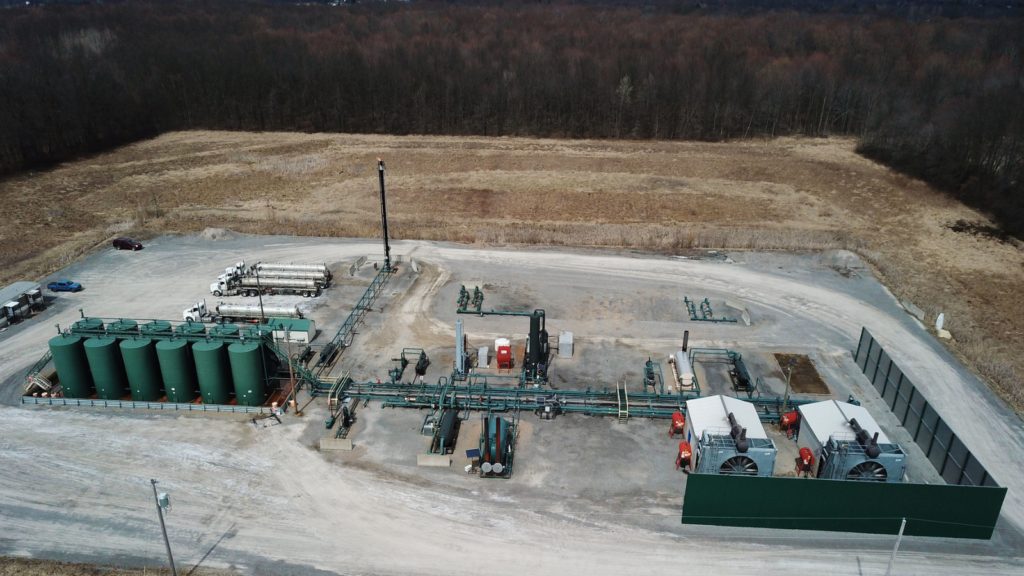
Key Points Northern Appalachia has, for a decade and a half, premised its economic development strategies on a strategic triad of natural gas, petrochemicals, and most recently hydrogen. Natural gas expansion has proven itself incapable of delivering on promises of jobs and economic prosperity. Meanwhile petrochemicals and hydrogen don’t seem capable of getting off the […]
Load Growth Fever, LNG, and the Risk of Higher Electric Rates
Meeting load growth forecasts with new natural gas generation could cause double-digit hikes in the price of electricity.
Is The ARCH2 Hydrogen Hub Coming Apart? Sure Looks Like it.
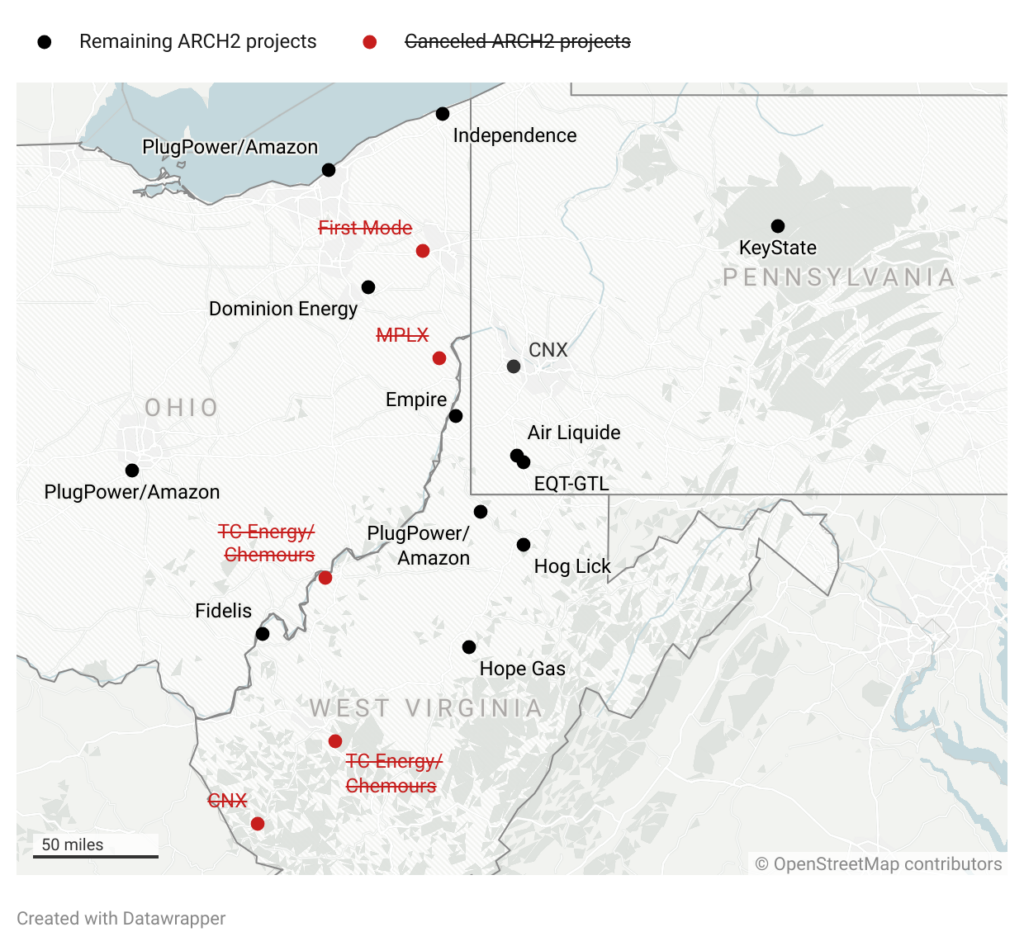
Development of the ARCH2 hydrogen hub is unraveling due to high costs, uncertain demand, inexperienced project developers, and uneconomic applications.
Carbon Capture: Description, History, Effectiveness, & Cost

An Overview For nearly a century carbon capture technologies have been used by the oil refining industry to separate carbon dioxide (CO2) from other marketable gasses. Then, in the 1970’s oil producers began injecting carbon dioxide into declining oil wells to boost production, a process known as “enhanced oil recovery” (EOR). Finally, in the 1990s, […]
Tipping Point
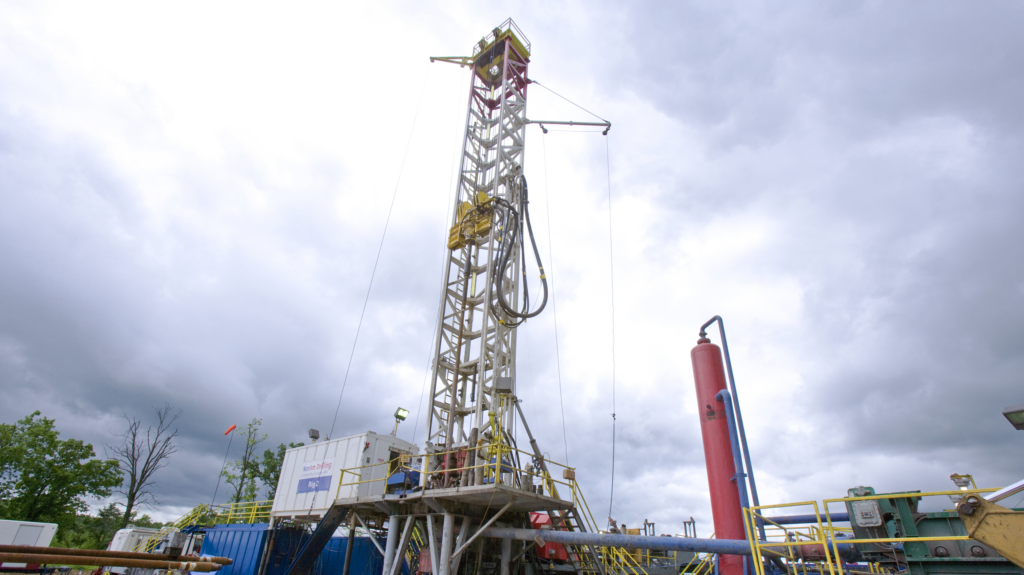
Key Takeaways: Carbon capture & sequestration (CCS) is a still unproven and spectacularly expensive decarbonization technology that may have value in industrial sectors that have no other viable decarbonization options. The power generating sector is a very appealing target for CCS proponents because coal and gas-fired power plants produce well over half of all point […]
The greatest hydrogen risk facing Pennsylvania policymakers

Lately we hear a great deal about hydrogen’s environmental and economic promise. But hydrogen deployment also carries risks, not just for health and safety, but economic risks, including higher prices, taxes, and utility bills along with little potential for job growth. That’s why I joined the Pennsylvania House Environmental Resources and Energy Committee’s recent hearing […]
Appalachia’s power plants by net generation and capacity factor
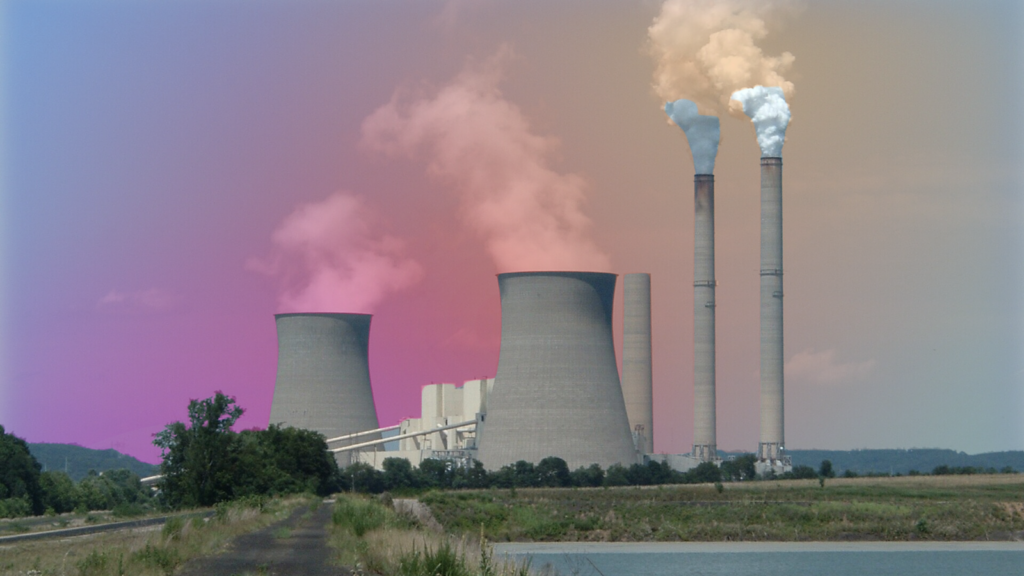
In all, the states of Kentucky, Ohio, Pennsylvania, and West Virginia have 85 non-peaker coal and gas-fired power plants with capacities of 100 MW or greater. The following chart lists the plants alphabetically and indicates each plant’s owner, location, start date, nameplate capacity, fuel, 2023 generation, and 2023 capacity factor.
You know that thing about how expensive renewable energy is?
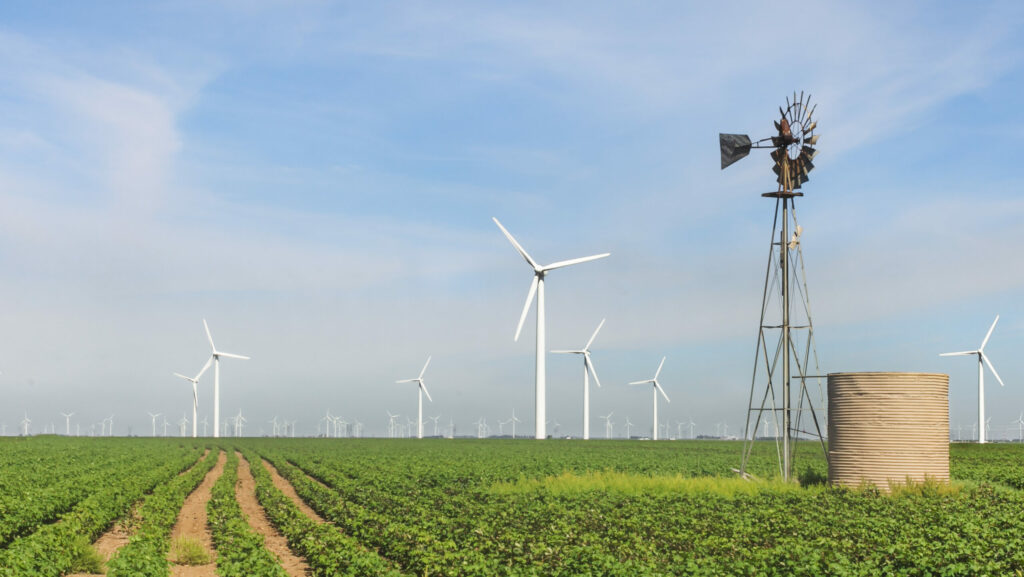
Almost three years ago I wrote a blog post titled, “Renewable Energy: The New Texas Tea.” In it, I compared changes in electric rates in Texas, where what would become a rapid transition to renewable energy was gathering steam, with changes in rates in Ohio, Pennsylvania, and West Virginia, where, in Ohio and Pennsylvania at […]
The Tri-State CCS Hub and The Return of The Bad Deal

Do you know a bad deal when you see it? Possibly not, if the deal has to do with something as arcane as leasing underground pore space to an oil and gas company that wants to dispose of carbon dioxide. But that’s the kind of deal property owners and elected officials need to start figuring […]