
A Deep Dive into Clean-Seas: Rough Waters for Belle Plastics Pyrolysis Facility
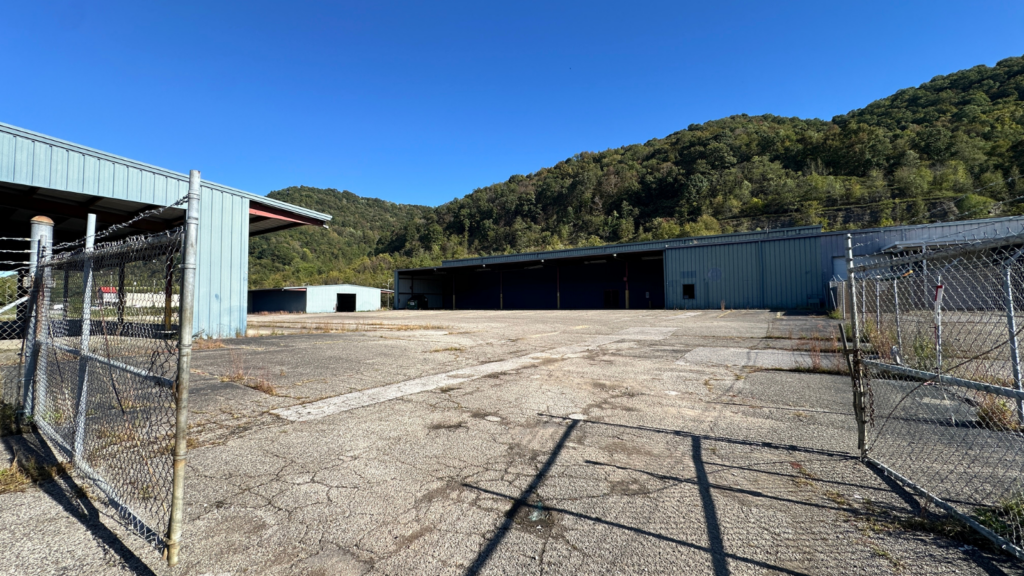
Challenging finances & operational delays have hounded Clean-Seas West Virginia as the DEP weighs permitting for its plastics pyrolysis plant in Belle.
The Appalachian Hydrogen Hub: What’s Next?

ARCH2’s retain/modify designation could lock us into another cycle of contending with Appalachia’s fossil fuel problem when we could be building a brighter future for the people who live here.
The Appalachian Hydrogen Hub: Where Is It Now?

A full three years after ARCH2 was first announced, what is there to show for all the pomp and circumstance?
The Appalachian Hydrogen Hub: How Did This Happen?
How did Appalachia arrive at a proposal for a natural gas-powered hydrogen hub?
Statement on DOE’s Plan to Preserve ARCH2 Funding

As DOE completes its final review of agency-supported initiatives, it’s clear that the dirty, costly ARCH2 project is on its last legs.
Statement on H.R.1’s Hydrogen Tax Credit Provision
Earlier today, Congress finalized a budget that includes a provision restricting access to the 45V hydrogen production tax credit solely to companies that initiate construction activities prior to the end of 2027. In response, Ohio River Valley Institute Hydrogen Program Director Tom Torres issued the following statement: While the Appalachian hydrogen hub may celebrate […]
Adams Fork Energy: What’s Happening With the World’s Largest Proposed Ammonia Plant
New York-based company TransGas Development Systems, LLC wants to build and operate a fossil fuel-based ammonia facility in Mingo County, WV. If built, the Adams Fork Energy project would be the biggest ammonia plant in the world. The facility would produce ammonia from natural gas — a process that could expose nearby communities to serious […]
Governor Shapiro’s “Lightning Plan”: What HB500 Means for Hydrogen
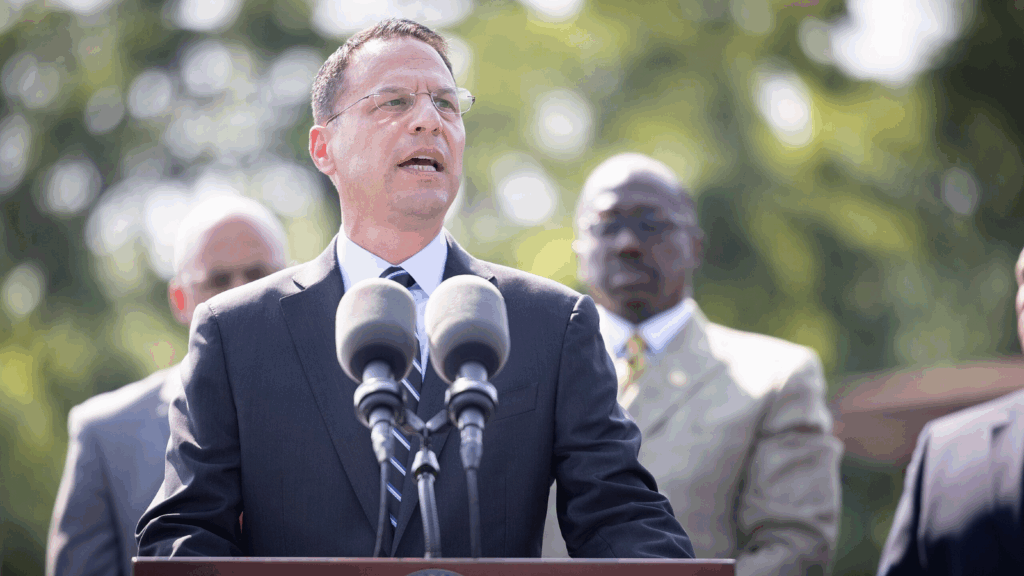
Pennsylvania Governor Josh Shapiro’s proposal for a hydrogen tax credit addresses some of the worst aspects of the existing tax credit but the tax credit still rewards polluters and leaves itself vulnerable to changes that could render it moot, unenforceable, or worse. Background Last month, legislation associated with Pennsylvania Governor Josh Shapiro’s Lightning Plan […]
The Tenaska Tri-State CCS Hub: Reading Between the Lines

Last month, a representative for Tenaska — the company seeking to build the Tri-State Carbon Capture and Storage (CCS) Hub — testified before the Ohio House Natural Resource Committee in support of House Bill 170. If passed and signed into law, this bill would establish a regulatory regime for CO2 injection wells, one that would […]
Ohio House Bill 170 and Senate Bill 136: What You Should Know
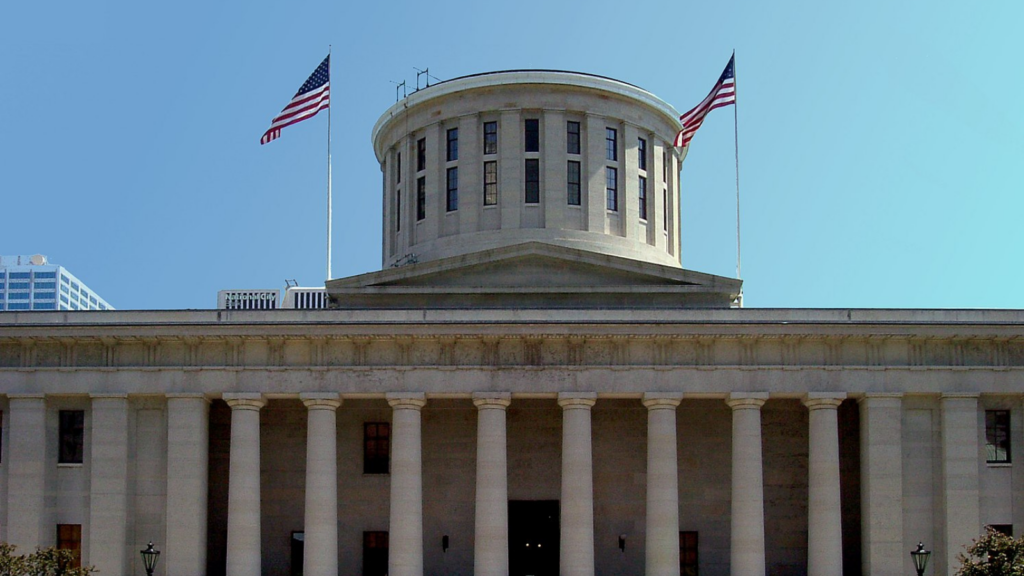
Legislators in Ohio seek to establish a regulatory framework for the long-term, geologic storage of carbon dioxide in order to provide the clarity needed to attract developers to the state. But, HB170 and SB136 go far beyond this simple goal. If passed, these two CO2 storage bills would erode landowner rights in Ohio and expose […]