
Listen: A Model for Economic and Clean Energy Transition
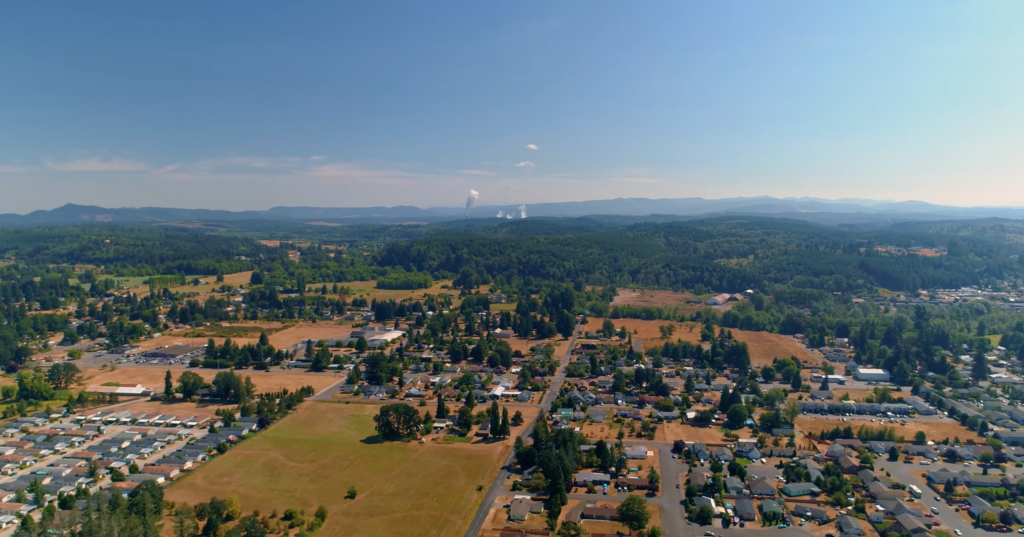
(Source: Yale Climate Connections) Senior Researcher Sean O’Leary joins Dr. Anthony Lieserowitz and Yale Climate Connections to discuss the remarkable economic turnaround taking place in Centralia, Washington. For years, Centralia and surrounding Lewis County relied heavily on jobs from a coal mine and a coal-fired power plant. But when the mine closed in […]
Federal Orphan Well Funding, Explained
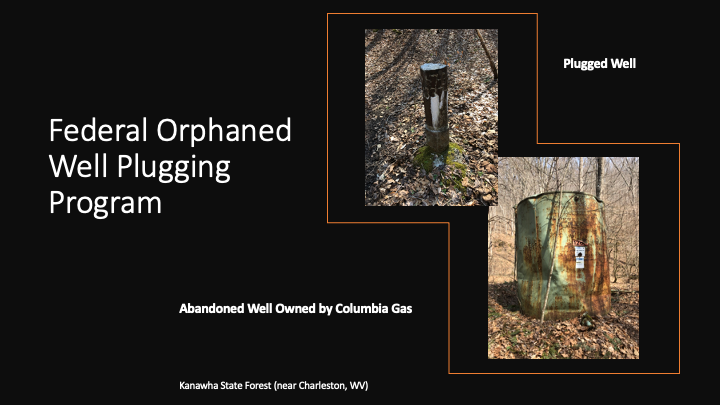
At the end of January, the Biden administration and the US Department of Interior (DOI) announced the first round of $1.15 billion in funding from a new federal orphaned well program to plug, remediate, and reclaim oil and gas wells. As part of the 2021 Infrastructure Investment and Jobs Act (IIJA), the Orphaned Well […]
Black Appalachian History and Future: An Interview with Emily Jones Hudson

In 2021, Emily Jones Hudson founded the Southeast Kentucky African American Museum and Cultural Center, which seeks to share the stories of African Americans in east Kentucky left untold in popular understandings of Kentucky history. In an interview with ORVI, which has been edited for clarity and length, Hudson discusses how the Great Migration, coal’s […]
Hydrogen, Carbon Capture Hub is a Risky Gamble for the Ohio River Valley

The newly announced initiative to develop a carbon capture and hydrogen hub in Ohio, Pennsylvania, and West Virginia is a gamble in the guise of opportunity.
How to Clean Up the Most Damage with New Federal Investments in Abandoned Mines
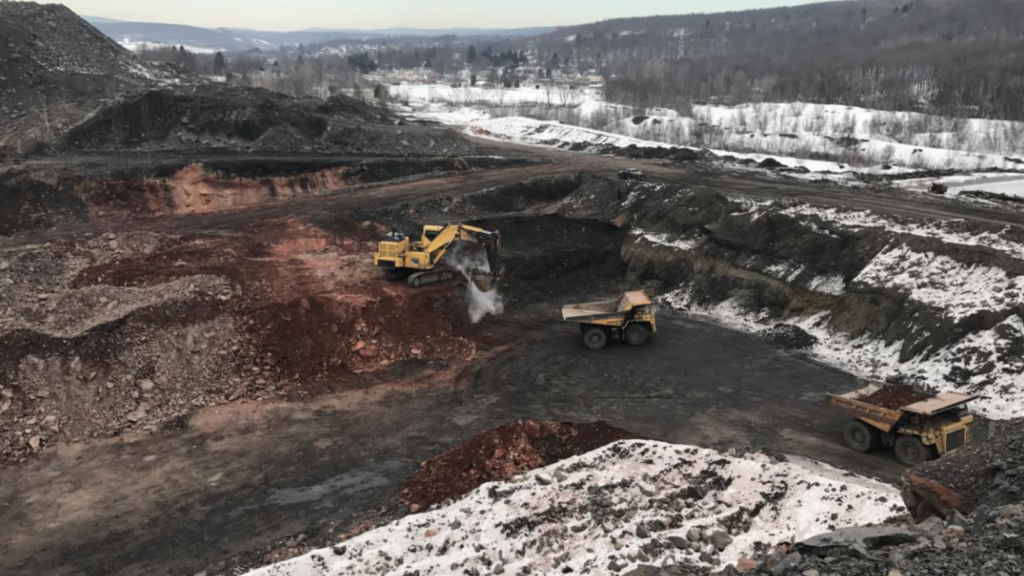
Congress made an historic investment in coal abandoned mine land (AML) cleanup with the Infrastructure Investment and Jobs Act (IIJA). In the coming months, the Office of Surface Mining Reclamation and Enforcement (OSMRE) will issue the official guidance regarding implementation of the new IIJA AML money, and hopefully that guidance will provide clarification on […]
Coal Mine Cleanup in the Bipartisan Infrastructure Law, Explained
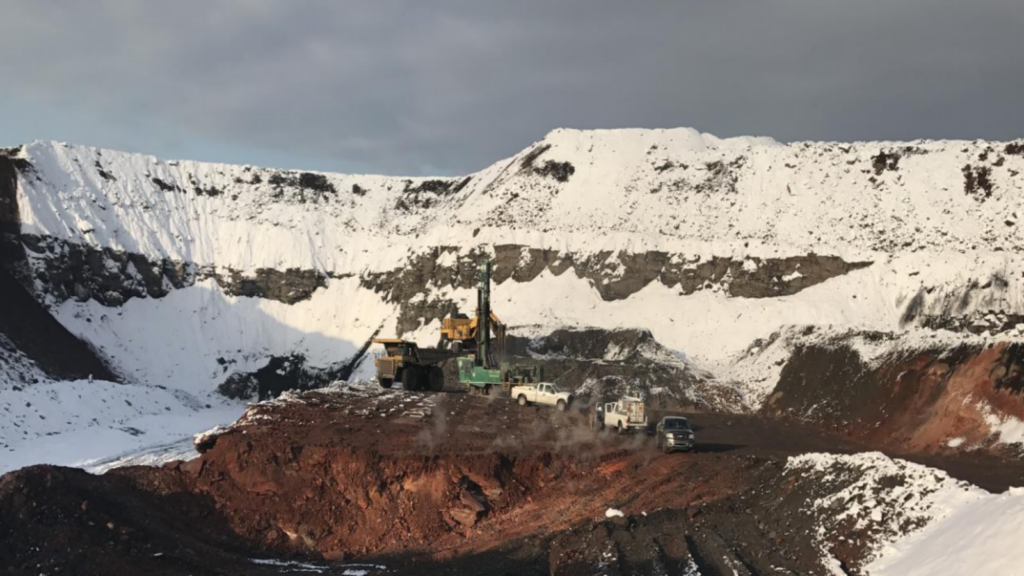
In November 2021, Congress passed the Infrastructure Investment and Jobs Act (IIJA), which made historic investments in the reclamation of land and water damaged by the coal industry before 1977. We have found that while the bill will only address about half of the remaining damage across the country, the investments are the largest […]
Should DOE’s Vision of an Ohio Valley CO2 Hub be DOA?

The recent movie, “Don’t Look Up”, parodies our response to the climate crisis and, in particular, political leaders whose attitude seems to be, “Sure, we’ll all die if we don’t change . . . but can’t we do it in a way that takes care of me and my donors?” For those who haven’t seen […]
Despite “Winning” GDP Gains, Ohio’s Fracking Counties Lost Big in 2020
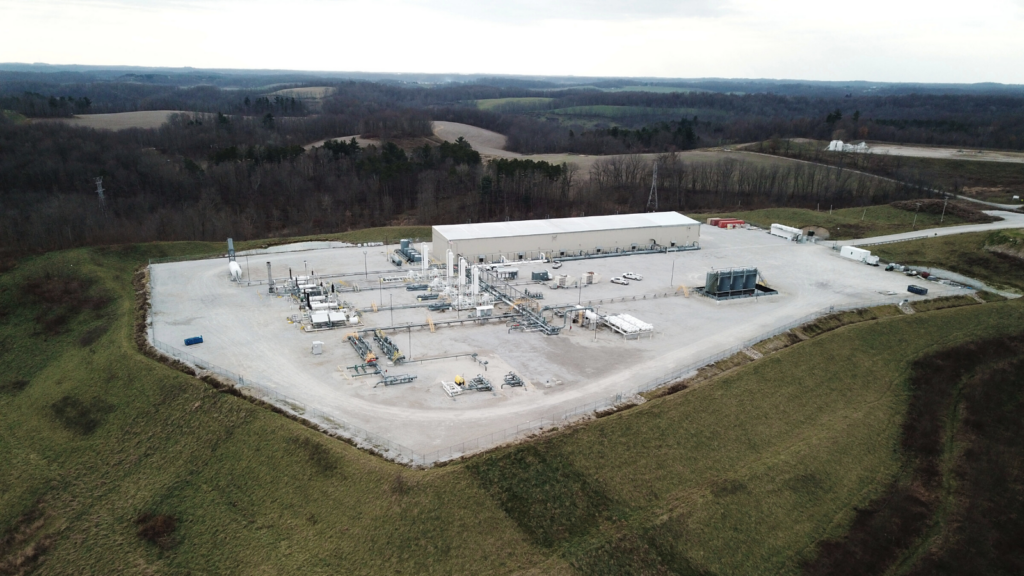
A recent story in the Columbus Dispatch reported that “two small eastern Ohio counties in the heart of Ohio’s natural gas country posted the biggest economic gains among the state’s counties in 2020” and that “other counties in Appalachia also were among the 2020 winners.” But that’s only true if you measure “winning” by arcane […]
Plans for Hydrogen and Carbon Capture Development in Appalachia

When President Biden signed the bipartisan infrastructure bill into law, he authorized billions of dollars in new federal spending to support the development of hydrogen and carbon capture utilization and sequestration (CCUS) across the country. Although the spending reflects the considerable hype enjoyed by these technologies as potential elements of decarbonization, the Ohio River Valley […]
2021 in Review
As 2021 draws to a close, the Ohio River Valley Institute is looking back with gratitude and excitement on our first full year of operation. We’ve made some notable strides in the past twelve months toward addressing Appalachia’s most significant challenges, tracking the economic ‘bust’ of the Appalachian fracking and petrochemical booms and identifying programs […]