

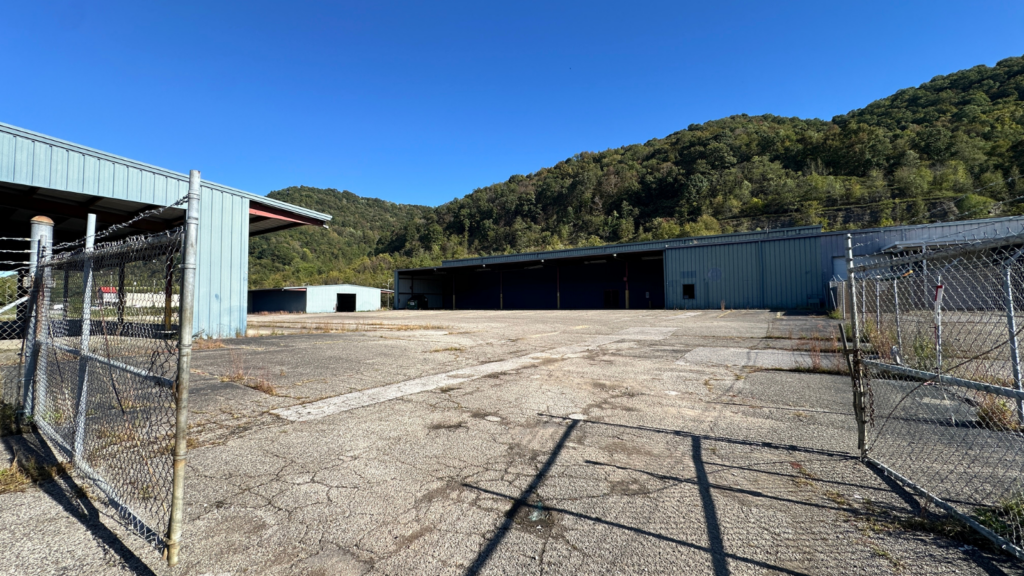
In 2023, the State of West Virginia issued a $1.75 million performance-based loan to support Clean-Seas West Virginia’s proposed plastics pyrolysis facility in Belle, WV. The following year, the state’s public economic development authority approved a separate $15 million loan agreement for the facility. And now, state regulators are set to grant the company a permit that would not only allow the facility to operate but would also allow the company to avoid critical air quality regulations.
On their own, any of these actions would be problematic but taken together they are difficult to justify. That Clean-Seas West Virginia’s plastics pyrolysis project could be the beneficiary of state capacity to such a degree indicates a serious failure in governance.
Commercial plastics pyrolysis continues to face significant challenges in the United States and the industry’s record to date has failed to demonstrate its effectiveness in addressing the global plastics crisis to any meaningful degree. Additionally, Clean Vision Corporation’s ability to successfully operate, maintain, and expand the Belle facility is in question if the company’s financial and operational history is any indication.
In the six years since pivoting to converting plastics to pyrolysis oil — a chemical feedstock with various petrochemical applications — parent company Clean Vision Corporation has announced at least fourteen separate facilities in eight different countries but has so far only initiated pyrolysis operations at two sites: a small demonstration project in Hyderabad, India and a commercial facility in Agadir, Morocco capable of processing up to 20 tons of plastic per day.
Since initiating operations at these facilities, the company has generated just $613,655 in revenue while its accumulated deficit — the company’s operating losses combined with other expenses — has grown to almost one hundred times that amount. Moreover, Clean Vision Corporation still owes more than half of the cost of its majority stake in the Morocco facility, its only revenue-generating asset, and the company has been unsuccessful in its efforts to raise the capital needed to expand its operations. Meanwhile, Clean Vision Corporation’s stock has rarely traded above a few pennies per share since beginning pyrolysis operations in Morocco and every financial statement issued by the company over the last three years only offers further evidence of its financial challenges.
And now, as Clean Vision Corporation is on the verge of securing regulatory approval of its flagship US facility, the company has announced that it will no longer submit financial reports to the SEC, making it that much more difficult for interested parties — investors, stakeholders, and impacted residents alike — to track the company’s financial standing.
How much scrutiny Clean Vision Corporation received by state officials remains unclear. What is known, however, is that the company’s spotty operational and financial history offers a compelling reason for state officials to publicly release the terms of its support for the Belle facility and provide stakeholders, including local residents, with the means to evaluate the company’s financial performance and determine for themselves whether these gains outweigh the environmental and public health impacts they may see from this facility.