
Building on What We Have
[et_pb_section fb_built=”1″ admin_label=”section” _builder_version=”4.16″ global_colors_info=”{}” da_is_popup=”off” da_exit_intent=”off” da_has_close=”on” da_alt_close=”off” da_dark_close=”off” da_not_modal=”on” da_is_singular=”off” da_with_loader=”off” da_has_shadow=”on” da_disable_devices=”off|off|off”][et_pb_row admin_label=”row” _builder_version=”4.16″ background_size=”initial” background_position=”top_left” background_repeat=”repeat” global_colors_info=”{}”][et_pb_column type=”4_4″ _builder_version=”4.16″ custom_padding=”|||” global_colors_info=”{}” custom_padding__hover=”|||”][et_pb_text admin_label=”Text” _builder_version=”4.16″ background_size=”initial” background_position=”top_left” background_repeat=”repeat” global_colors_info=”{}”]This is the first blog in a series of local economic development initiatives strengthening local economies and anchoring investment in Appalachian Communities of Ohio, […]
RECOMPETE Act Offers Support for Realizing ReImagined Appalachian Communities
Last year, ReImagine Appalachia published an overview of Appalachian Regional Commission (ARC) funding since 1965. We highlighted that non-highway funding for ARC has declined about $650 million annually since the late 1970s and early 1980s—when parts of the ARC region, including PA-OH-WV and KY, lost big parts of their traditional economic base in extractive […]
Charting a Course for Appalachia’s Economic Transition

For generations, Appalachia has powered the nation’s industrial growth with our region’s bountiful reserves of coal, gas, and oil. Today, our communities are suffering the effects of that legacy of extraction—air and water pollution, rampant greenhouse gas emissions, and local economies hollowed out by an industry structurally incapable of generating job growth and prosperity. For […]
Maximizing Impact of Federal Orphaned Well Program in States
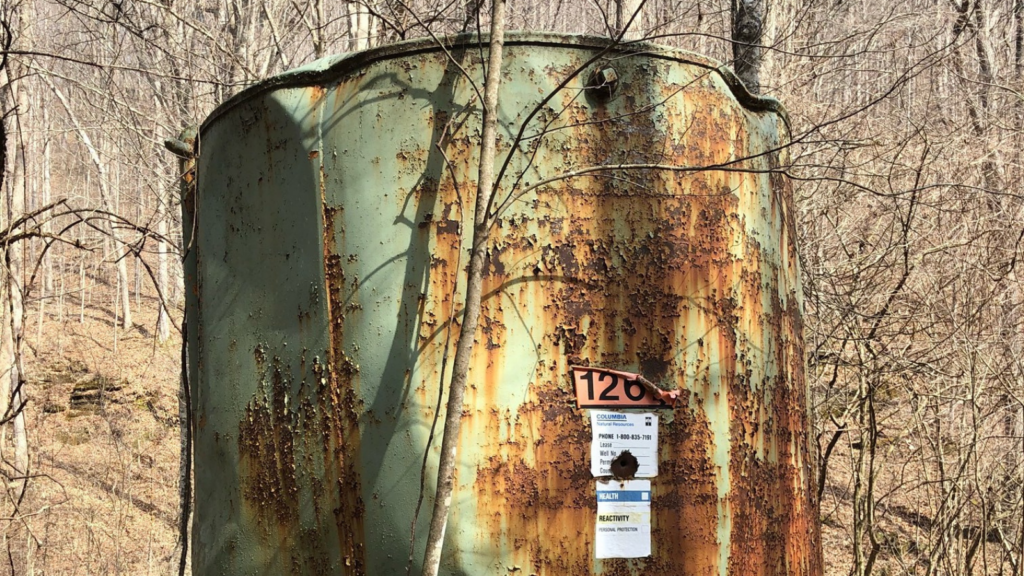
Earlier this month, we provided an explainer of the $4.7 billion federal orphaned well program that was included in the federal infrastructure legislation (the Infrastructure Investment and Jobs Act of 2021) and what that meant for states in the Ohio River Valley. To recap, the states of Kentucky, Ohio, Pennsylvania, and West Virginia could receive […]
Listen: A Model for Economic and Clean Energy Transition
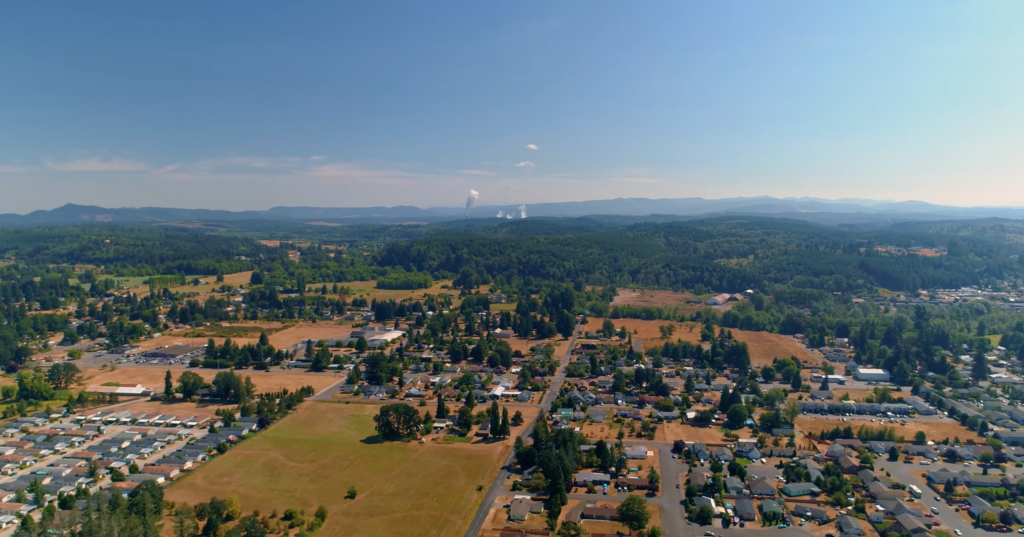
(Source: Yale Climate Connections) Senior Researcher Sean O’Leary joins Dr. Anthony Lieserowitz and Yale Climate Connections to discuss the remarkable economic turnaround taking place in Centralia, Washington. For years, Centralia and surrounding Lewis County relied heavily on jobs from a coal mine and a coal-fired power plant. But when the mine closed in […]
Federal Orphan Well Funding, Explained
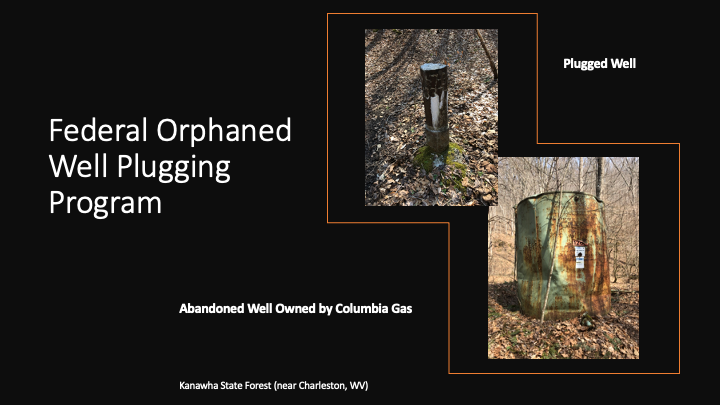
At the end of January, the Biden administration and the US Department of Interior (DOI) announced the first round of $1.15 billion in funding from a new federal orphaned well program to plug, remediate, and reclaim oil and gas wells. As part of the 2021 Infrastructure Investment and Jobs Act (IIJA), the Orphaned Well […]
Coal Mine Cleanup in the Bipartisan Infrastructure Law, Explained
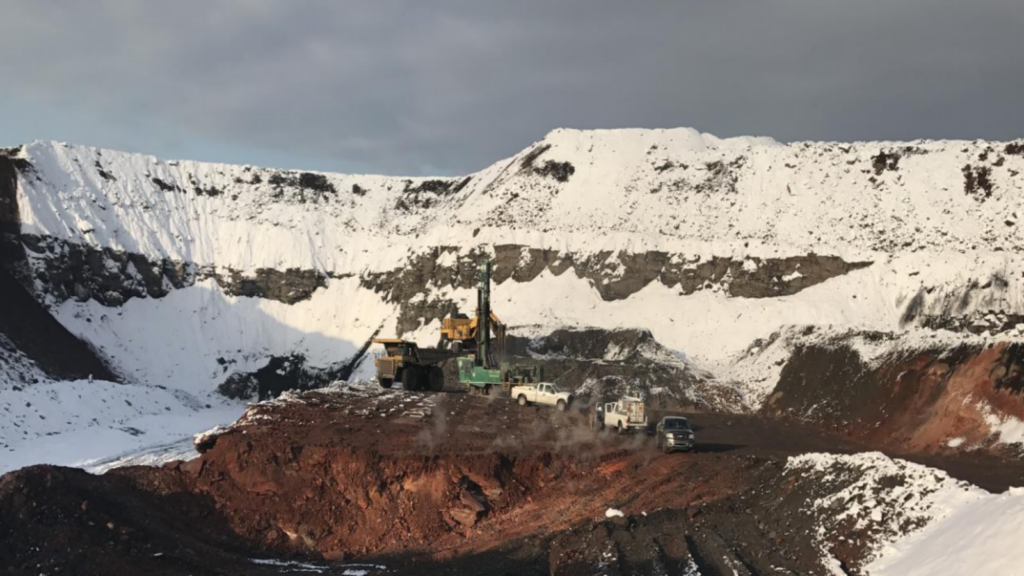
In November 2021, Congress passed the Infrastructure Investment and Jobs Act (IIJA), which made historic investments in the reclamation of land and water damaged by the coal industry before 1977. We have found that while the bill will only address about half of the remaining damage across the country, the investments are the largest […]
Another round of Appalachian coal plant retirements may be imminent

January 25, 2022 may become the day the music died for a number of the remaining Appalachian coal-fired power plants. That’s when PJM, the regional transmission operator (RTO) that manages wholesale energy markets in all or parts of 13 mid-Atlantic and midwestern states and the District of Columbia, will hold a “capacity auction” to lock […]
Sloganeering politicians and CEO’s and the myth of energy independence
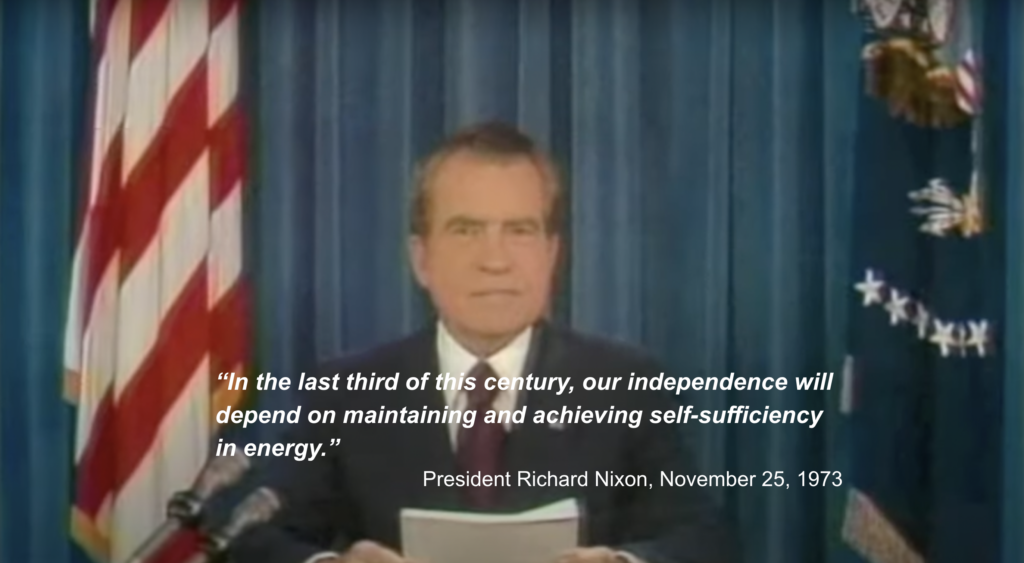
Politicians and CEOs, Republicans and Democrats, need to stop invoking “energy independence” because they don’t really mean it . . . that is, unless they truly believe in transition to clean, renewable resources.
Repairing the Damage: Cleaning Up Hazardous Coal Ash Can Create Jobs and Improve the Environment

Cleaning up hazardous coal ash sites in the Ohio Valley can alleviate environmental and public health threats and create jobs.